
Landscape and Memory

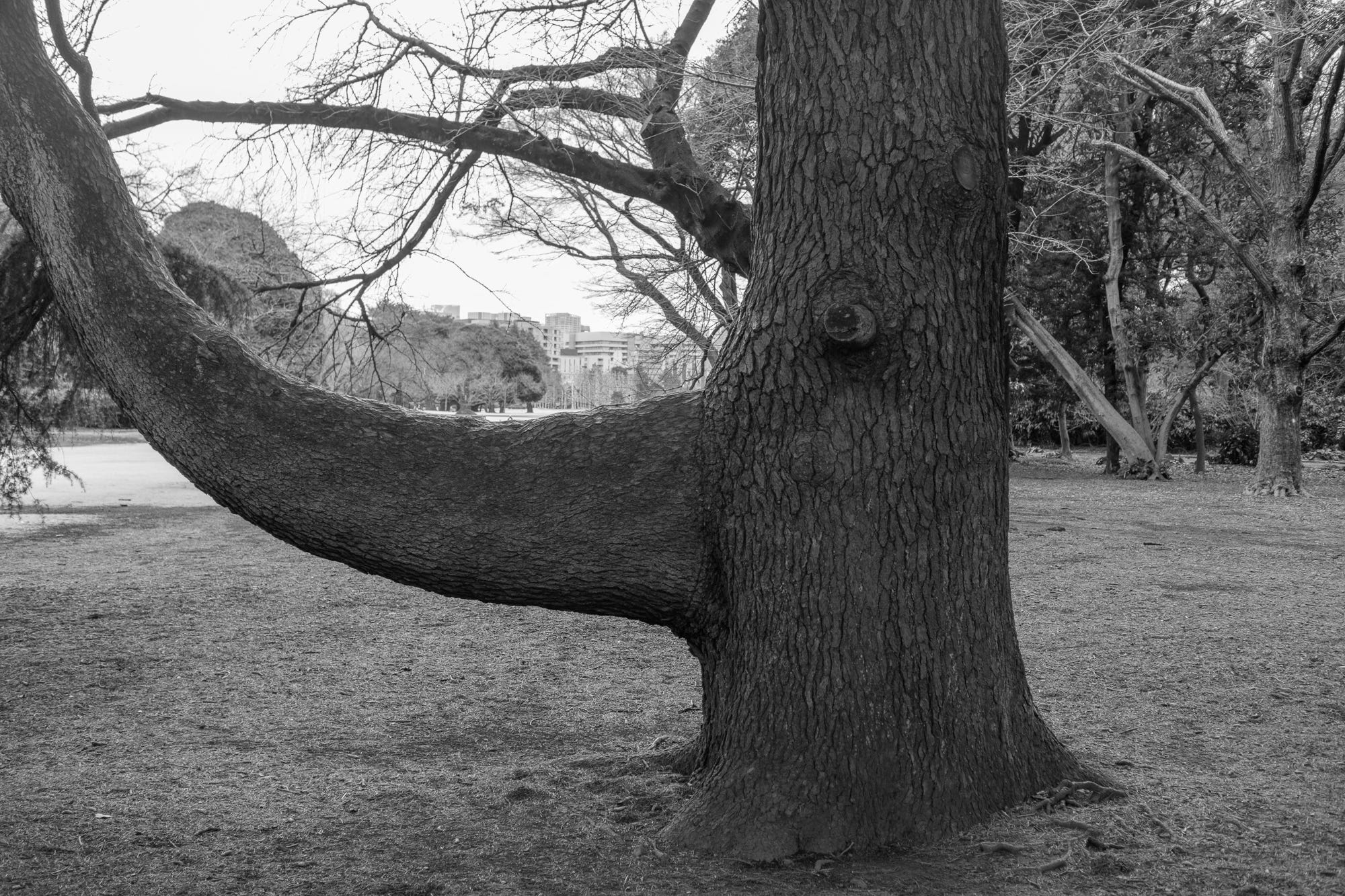
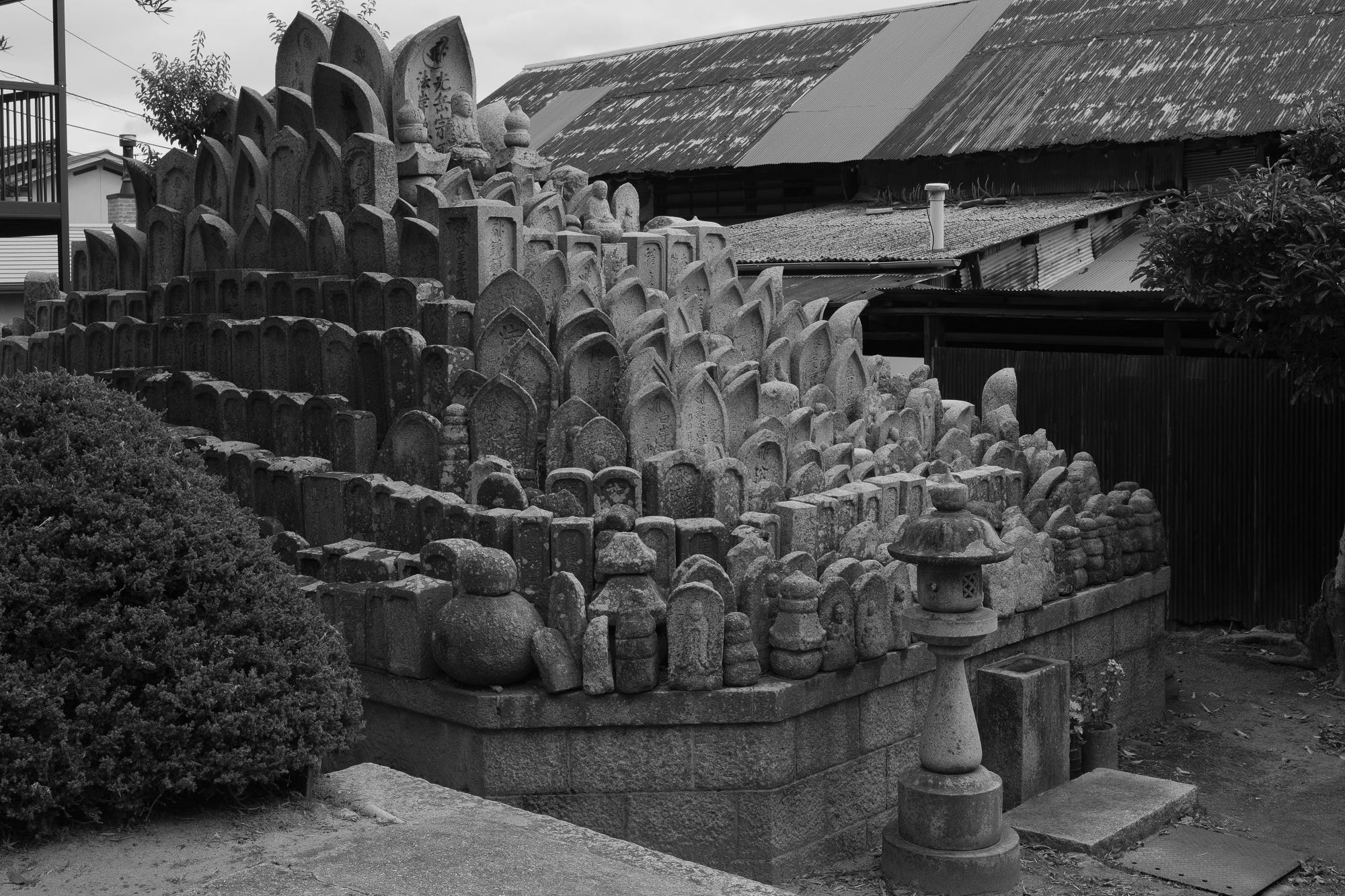
A recent photo from Tokyo.
I have noticed, over the years, a recurring resistance among photographers to asking even the simplest questions about the places they photograph. I have heard it said many times, often with a certain confidence, that what matters is what is in the frame, that the photograph should stand on its own, that knowing the history of a place risks contaminating the image. The claim is usually framed as a defence of honesty, a defence of direct seeing, as if the eye could remain innocent if only we refused to burden it with too much knowledge.
A simple example comes up often enough to feel familiar. A photographer stands at the edge of a forest and makes a series of images, drawn to the density of the trees, the darkness under the canopy, the quiet. When asked about the place, he shrugs, says he is not interested in what happened there, that he prefers not to know, that the photograph should not depend on anything outside of itself. He believes he is preserving something pure.
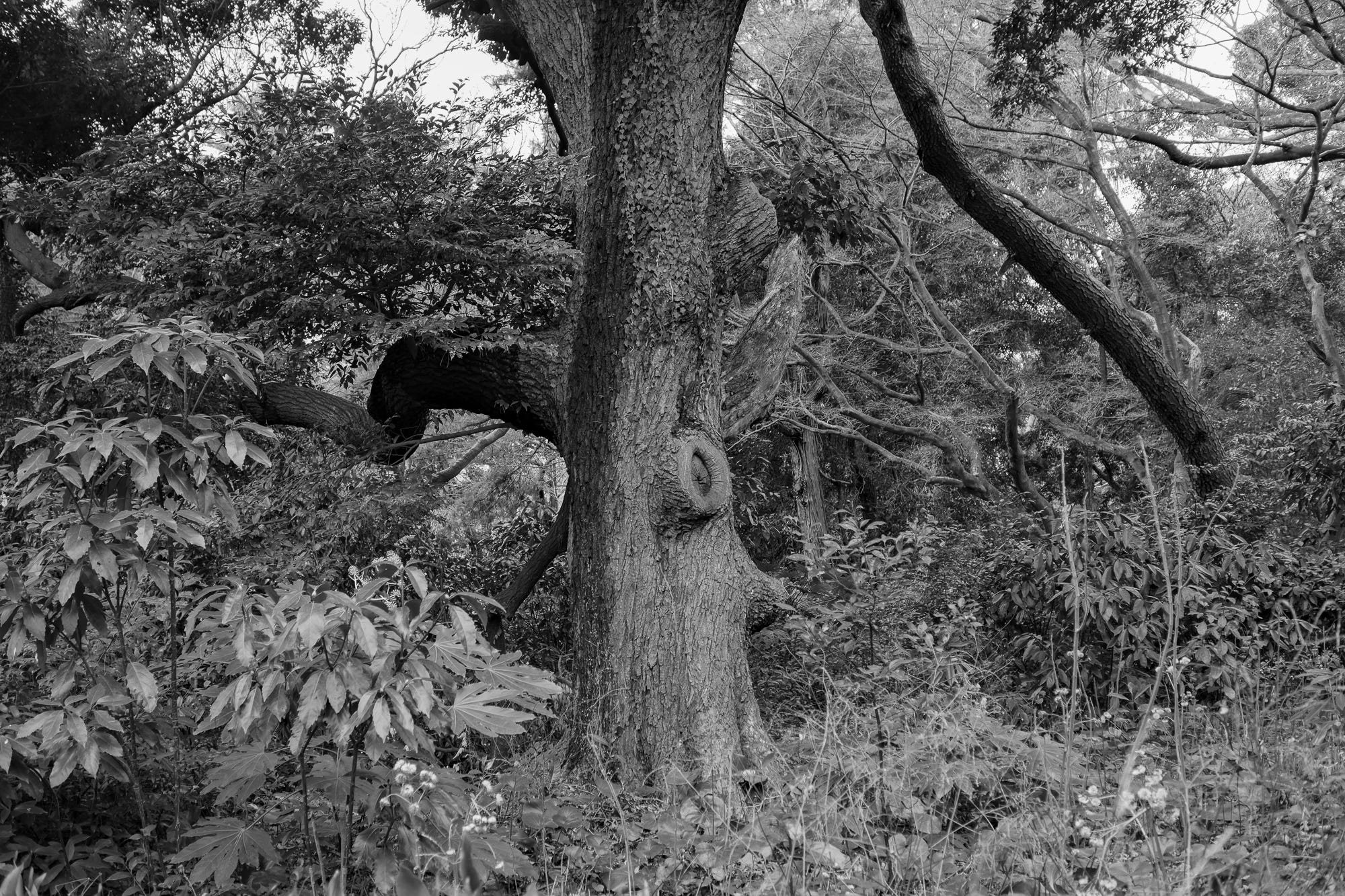
A Park in Tokyo
But in his book (and BBC series) Landscape and Memory, Simon Schama writes that even in that moment, the photographer is not looking at just trees. He is responding to an idea of the forest that has a long history. The forest as refuge, as danger, as something older than us, something untouched, something that precedes language and culture. These ideas about the forest don’t arrive at the moment of exposure; they are already present, absorbed over time through paintings, films, books, and other photographs. The sense of depth the photographer feels, the attraction to shadow, the belief that the forest contains something hidden, all of this is learned, burned into our memories, as well as the landscape, even if it feels immediate. As soon as the Jew’s reached the forests and wilderness….things go awry. The landscape is full of these hidden histories.
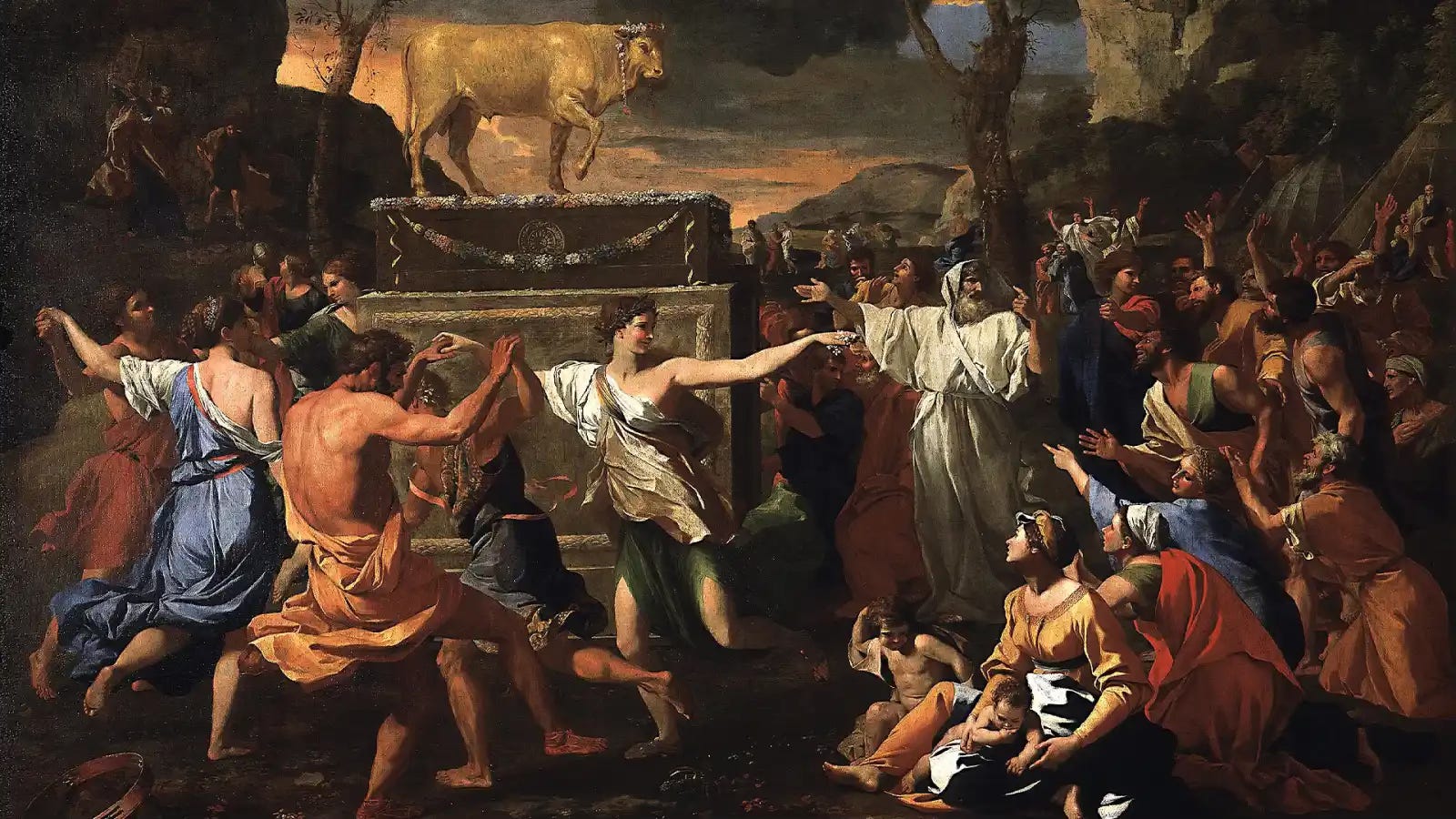
Not everything in the wilderness is good.
Even what we tend to call seeing is already a form of remembering. Not the retrieval of a fixed image, but a reconstruction, assembled from what we have seen before, what we have read, what we expect to find. Each time “re-member” the present is mixed with what we already carry, and what feels immediate is, in part, made from that memory and its relationship to other memories. Every day experience is imbued with details of our pasts. That is the neurological process, and it is unavoidable.
This is not something a photographer can step outside of. It is the condition of the work. The places we photograph are already shaped by what has been said about them, and our seeing is shaped in the same way. The question is not whether we bring this with us, but whether we recognise that we do.
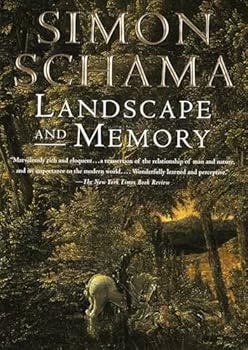
This is what Simon Schama makes unavoidable in Landscape and Memory. In his account of the German forest, the forest becomes more than a physical place. It becomes an origin story, a national myth, something ancient and unbroken, something that can be used to define a people. What appears natural is shown to be constructed, layered over time with meaning, then used again and again until it feels inevitable. Once you see this, it becomes difficult to return to the idea that the landscape is simply there, waiting to be recorded. Or that you can take some pure, clean, unadulterated photo of it.
A similar shift occurs in the way we think about the American wilderness. Henry David Thoreau is often taken as the figure of direct experience, someone who went into the woods to encounter nature without mediation, to strip life down to its essentials. Walden has come to stand for that possibility, a place where one might see clearly again. But even this idea of the wild is not outside culture. It is shaped, named, and sustained through writing, through memory, through the expectation that such a place should exist.
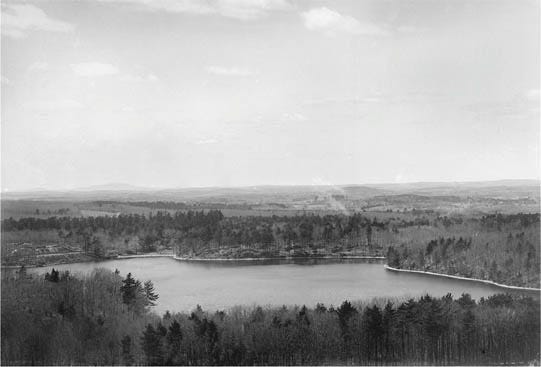
The photograph of Walden Pond made by Herbert W. Gleason in 1906 makes this visible in a different way. Gleason’s photograph, taken from Pine Hill, is often reproduced at a small scale, and even in that reduced form it makes its point clearly. The pond is no longer something one walks beside or sits near. It is seen all at once, contained within the frame, its edges clearly defined. The surrounding trees form a boundary, the water becomes a shape, and the place itself begins to look less like an experience and more like something mapped and known. The photographic image does not deny the reality of Walden, but it alters it. What had been a site of immersion becomes something surveyed, something that can be grasped from a distance.
It is at this point that the idea of immediacy begins to slip. Even here, at Walsen Pond, in a place so closely associated with direct experience, the landscape is already layered, and the photograph adds another layer rather than removing them. What is there is already more than it appears, as the Gleason photograph quietly demonstrates.
I have found, in my own work, that I rarely arrive at a place without already knowing something about it, and that knowledge changes what I see, often in ways that are difficult to describe at the time. Before photographing temples in Japan, I spent time reading about Buddhism and Taoism, not in any formal way, but enough to understand how these spaces were used, how they were approached, what they were meant to hold. The result was not that I went looking for illustrations of those ideas, but that I stopped expecting certain kinds of images. I was less interested in the obvious views, the entrances, the formal arrangements, and more attentive to the spaces between them, the quieter areas, the places where nothing in particular seemed to be happening.
A similar thing happens closer to home. In the bogs and forests, where I have spent a great deal of time, I began to notice the condition of the birch trees, the way they were dying back or collapsing, and only later learned the reasons for it, the changes in water levels, the disease, the pressure on the ecosystem. Once I understood even a small part of that, the trees were no longer simply part of the landscape. They were evidence of something unfolding over time. I did not photograph them differently in any obvious way, but I selected differently. What held my attention shifted.
There are also times when the order is reversed, when I encounter something I do not understand and only later learn what it is I have seen. Even then, the knowledge does not close the image. It gives the photograph a second life, not by explaining it, but by complicating it.
Over time, I have also come to notice that many of the photographers whose work continues to hold attention seem to work in a similar way. They return to the same places, they learn something about them, they carry that knowledge into the work, and the photographs begin to reflect that accumulation, not as explanation, but as a kind of density.
The resistance to this kind of knowledge is tied to a belief that photography depends on immediacy, that the best images are those that present themselves clearly and without complication. In practice, this often means that the photograph resolves quickly. The viewer recognises what is being shown, understands the gesture, and moves on. The image feels complete at a single glance.
What I have come to realise is that this quick resolution is often a way of avoiding something more difficult. There are moments when the scene in front of me does not settle into a clear composition, when nothing stands out, when the light is flat or awkward, when I cannot quite say why I am looking at it. The easiest response is to adjust, to find a stronger angle, to wait for better light, to turn the scene into something recognisable. Most of the time, that is exactly what I do.
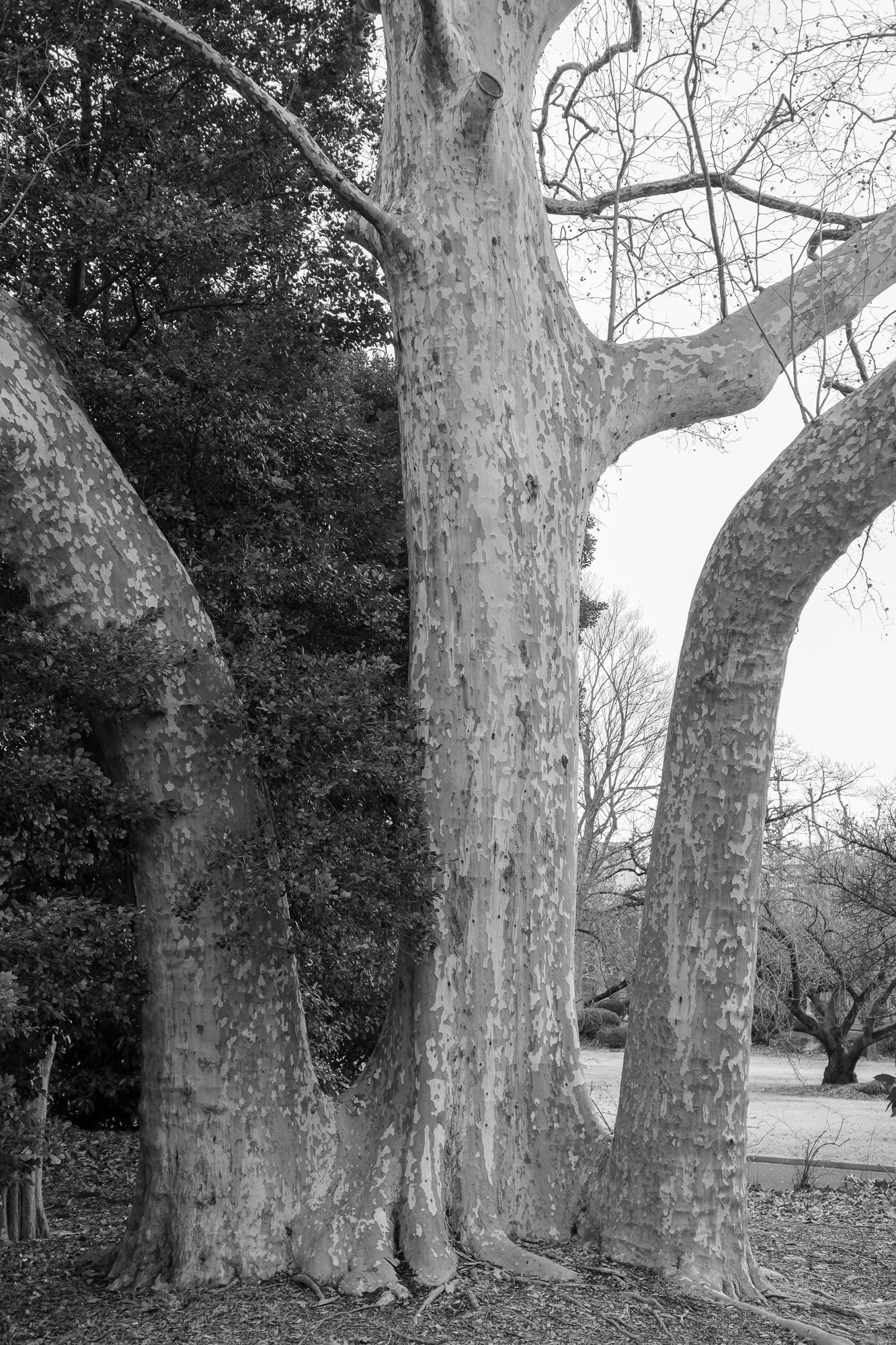
Another woodland scene, from Tokyo.
But occasionally I do not. I stay with it, even though nothing has yet been resolved. The image resists me. It does not agree with what I expect a photograph to be. This is what I have come to think of as friction, not as a theory, but as a working condition. It is the point at which the photograph stops cooperating.
Friction, on its own, does not produce anything. It can just as easily lead to failure or to a discarded frame. What matters is what follows from it. If I resolve the scene too quickly, the friction disappears and the image closes. It becomes clear, legible, and, more often than not, forgettable. If I stay with it, if I do not force it into a known form, something else becomes possible, although not guaranteed.
This is where the distinction between closed and open photographs becomes useful. A closed photograph delivers its idea and finishes. An open photograph does not. It remains unsettled, requiring time, not because it is obscure, but because it does not reduce easily.
The ability to stay with that unsettled state is what Teju Cole (whom I mention a lot, I know) describes as attention. It is not a technique, and it is not a style. It is a discipline, a willingness not to reduce what is seen to what is already known. It involves restraint and a recognition that what is in front of us exceeds our first understanding of it.
Seen this way, these terms begin to connect. Friction is the moment when expectation fails. Attention is the decision not to repair that failure too quickly. Openness is what remains if that decision is sustained.
Returning to the photographer in the forest, we can see the difficulty more clearly. He is not wrong to trust his eye, but he is mistaken in thinking that his eye is free of history. The very sense that the forest is worth photographing is already shaped. What he resists is not information, but the possibility that his own seeing is structured in ways he has not chosen.
The divide between those who continue working at photography and those who do not is often described in terms of skill, but the difference is more often whether one continues to resolve the image quickly or begins to recognise the limits of that approach. At that point, the images begin to resemble other images, including one’s own, which begin to set expectations for what a photograph should look like.
It is here that books like Landscape and Memory become useful in a practical way. Not as theory, and not as something to be mastered, but as a way of making it harder to pretend that what we are seeing is simple. For a photographer, or a painter, or even someone walking through a landscape, the book does not tell you what to look for. It changes what you notice. It introduces a kind of pressure ( I use the word in a psychoanalytic way), a reminder that what appears empty is rarely empty, that the ground itself carries forward what has been said already, believed, and what was done there.
This is also why such books are worth spending time with, even if they are not read straight through. I first encountered Landscape and Memory through the library, reading short sections, returning to it, trying to understand how the argument was being made, how the language worked, how the examples accumulated.
That mattered more than simply knowing the ideas. I wanted to see how someone could take something as familiar as a forest, or a river, or a piece of land, and show that it was not simple. That there was a hidden complexity, hidden layers. Reading it that way made a difference. It changed what I noticed, and over time, it changed what I selected.
Eventually, I bought a copy, not to finish it, but to keep it close by, to return to it when I needed to be reminded that what appears empty is rarely empty, and that the relationship between landscape and culture is deeper and more persistent than it first seems.
I have found that the most useful way to think about this is not in terms of better or worse photography, but in terms of time. Some images end quickly. Others do not. The ones that do not tend to begin in uncertainty, in that moment when the scene does not yet make sense, and continue because neither the photographer nor the viewer has rushed to resolve it.
The photograph, in that sense, does not begin when we recognise what we are looking at. It begins when we realise that we do not.
Please, you can help me with these essays and conversations by sharing, recommending, and joining the conversation. Some essays, like this week, are more formal, other weeks, mostly photos, and sometimes very direct and to the point. I hope they give you something to think about.

This all makes sense Jim. Earlier in my posts I began mentioning "photography as a feel", because some time ago I heard Meyerowitz saying something along that line in a video and that was enlightening for me. I didn't question at the time what were the underlying reasons, ie. why I chose my feelings as my compass rather than taking photographs that performs well. Then came your note with a video titled "What is a good photograph?". It was like a bombshell for me, it simply reaffirmed my stance. This new post of yours finally closed the gap between the concept of "feel" to "experience". The cliche "trust your feelings" perhaps might have been the sole truth all along. Thanks for this.
"Over time, I have also come to notice that many of the photographers whose work continues to hold attention seem to work in a similar way. They return to the same places, they learn something about them, they carry that knowledge into the work, and the photographs begin to reflect that accumulation, not as explanation, but as a kind of density."
And that's it, exactly. The number of students I've had, or other photographers I know, who say that they want to visit a place and photograph it with "fresh eyes" miss out on the way in which research about what others have found there can impact what those eyes will see. The goal, I think, is to saturate yourself with knowledge about the place to such a degree that your experience, your knowledge and your memories all meld into the experience. And... what are we about other than the experience of learning about the world?
Thanks... great piece.