
Five Easy Pieces + 2
Seven Recent iPhone Photos

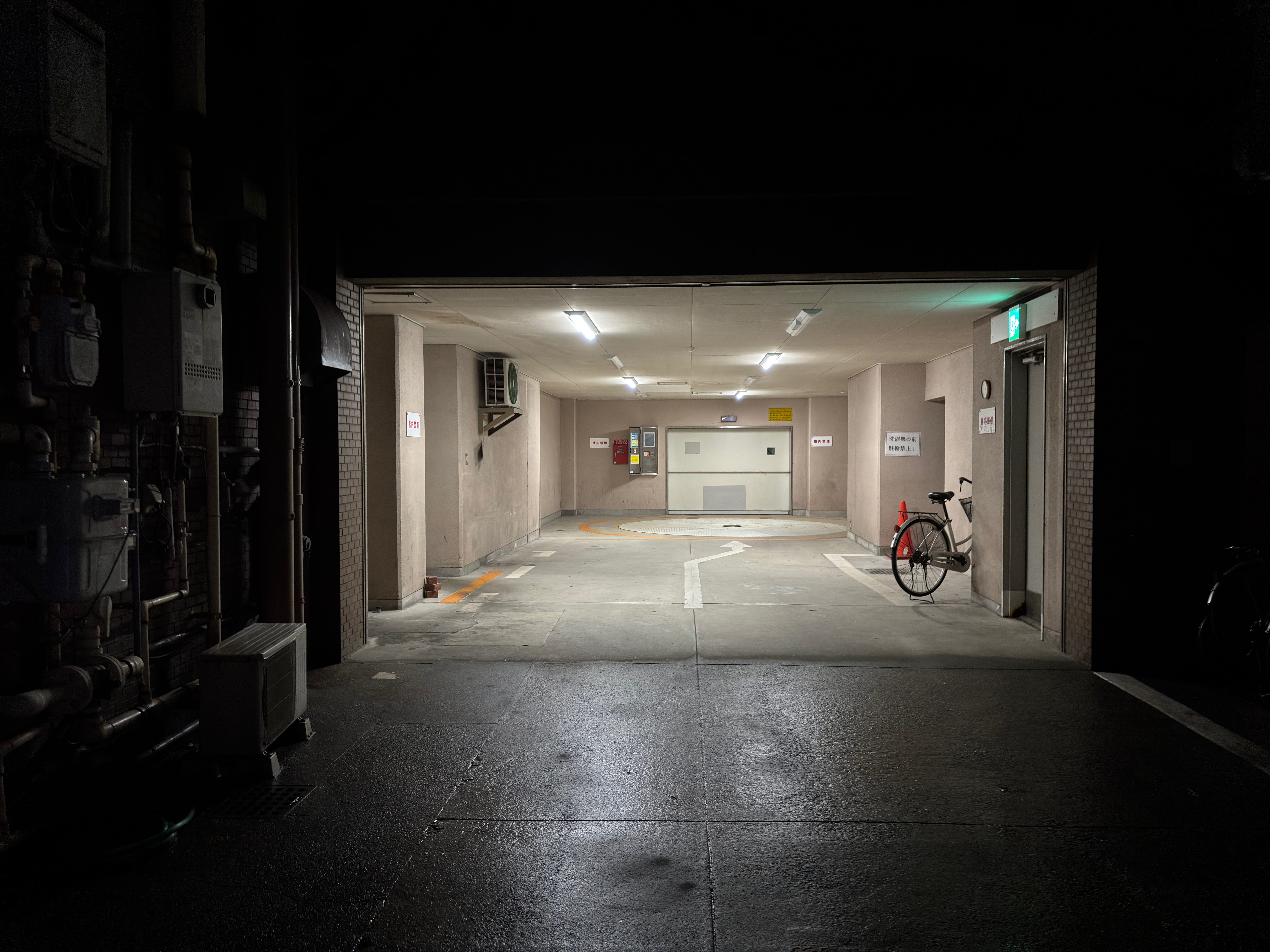
A few people asked me about what I’m working on right now. Here’s a description of my current project and process. It’s illustrated with some iPhone photos I took while working: I take these at night while preparing to make another photograph. I set up the tripod and the larger camera, line up the image, and then I sometimes walk around. I look. I wait. Sometimes I walk over to the subject and look back toward the camera. I picture where else the camera could be. I’m thinking about the most basic problem in photography: where to stand.
The iPhone stays in my pocket until something gets my attention and I stop. Then I take out my iPhone, snap a photo, and look at it. Maybe a small detail should be closer to the edge. Maybe I need to step back because the framing will cut off something I don’t want cut off. Maybe I need more space so I can straighten the image later without losing the edges. The iPhone shows details you don’t see on the big camera and helps me decide whether to close or open the aperture a bit, keeping details or losing them. These are small decisions, but they matter. They tell me whether I’m paying attention or just passing through.
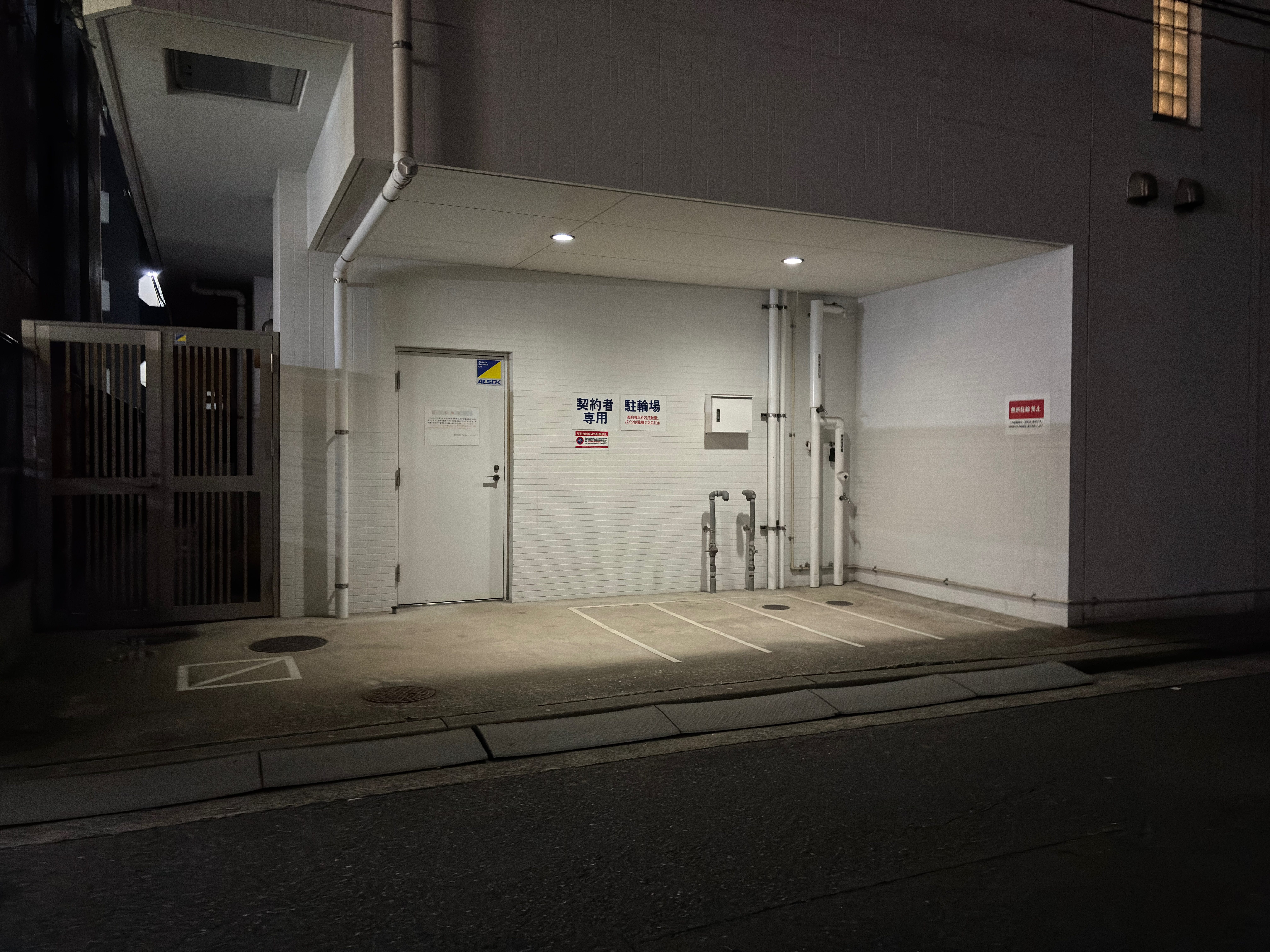
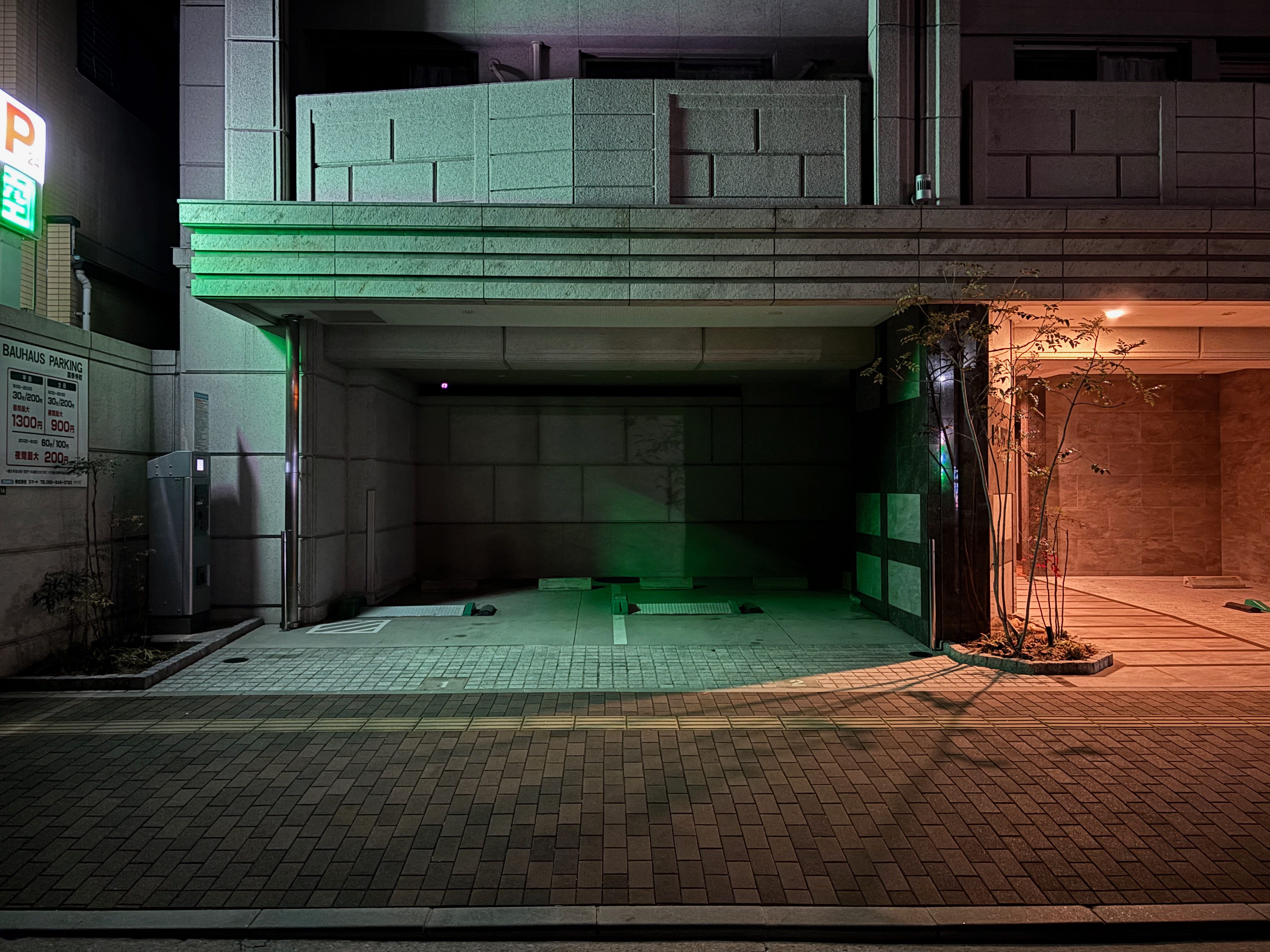
All seven of these images depict places meant to be passed through quickly and without thought: parking entrances, stairwells, underpasses, service corridors, and vending-machine alcoves. These are not destinations. They are spaces that work best when no one really notices them.
What these photographs return to, again and again, is the simple fact that nothing is happening. There is no encounter, no event, no narrative. Even in the one photograph that includes a figure, the absence of others remains unresolved. The person in that image is turned away, absorbed, unreachable. The space itself remains essentially uninhabited.
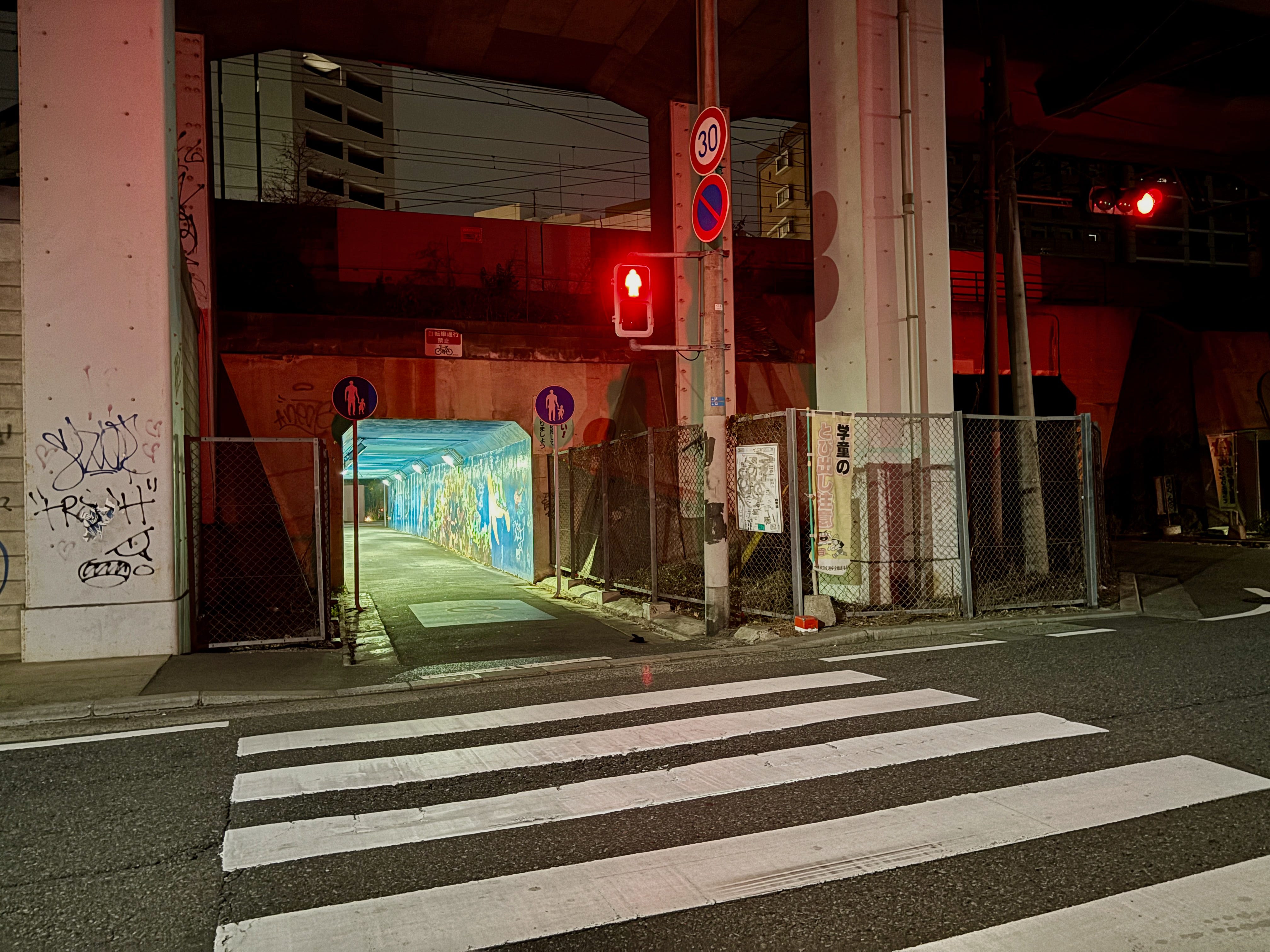
This emptiness is not abandonment. Nothing has failed. The city is functioning exactly as it should. We know who is missing, and we know they will be back. Someone will park here again tomorrow. Someone will walk through this underpass. The vending machines will be used. The stairwell will fill and empty, over and over.
That assurance matters. It changes how the emptiness feels.
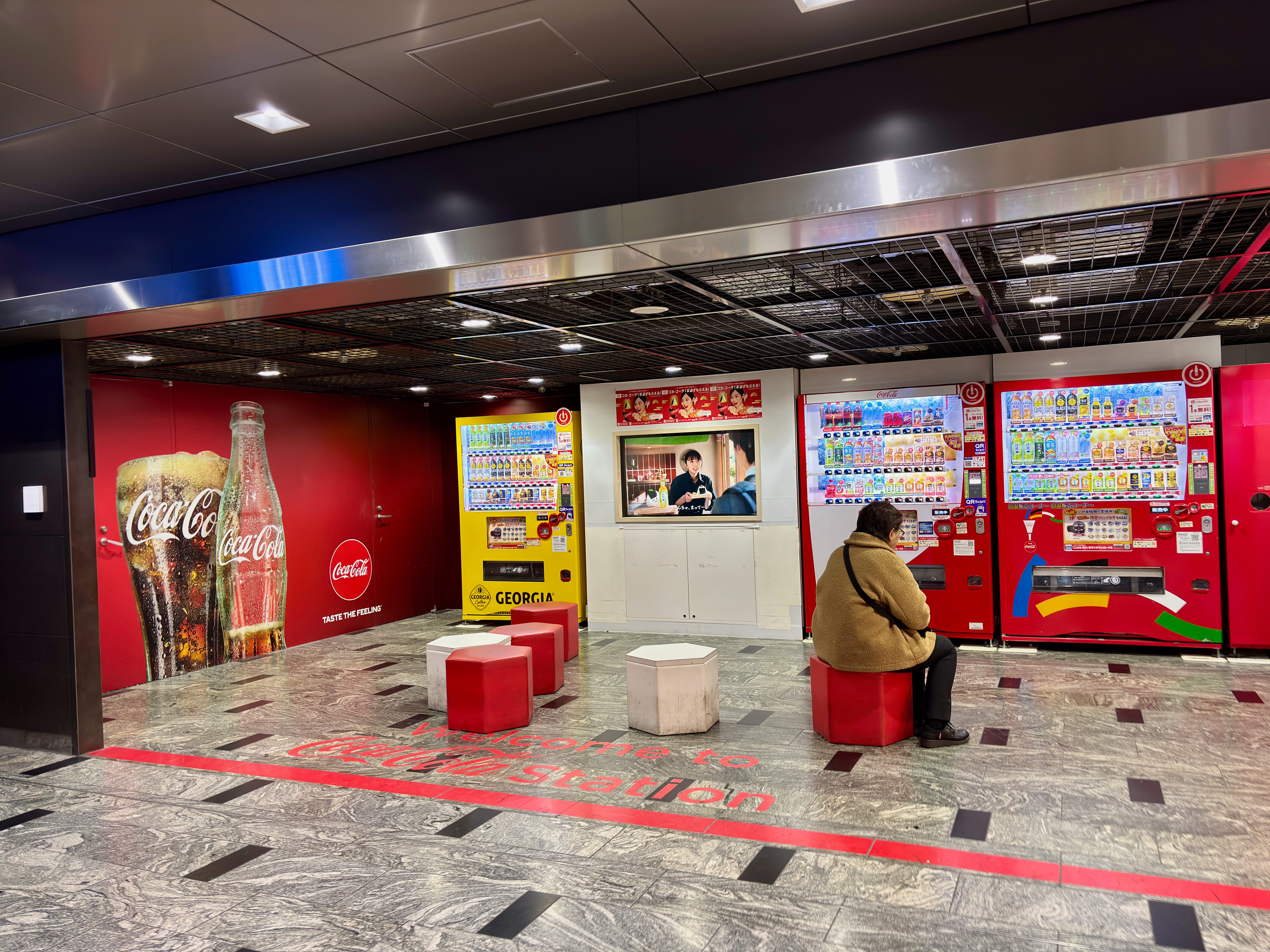
In much Western photography, empty spaces tend to suggest rupture or loss after the fact, as if something has happened or gone wrong. That isn’t what’s happening here. The city hasn’t withdrawn; it has only stepped aside for the night.
This is close to the Japanese sense of mono no aware, but in a very plain, everyday way. Like sadly watching cherry blossoms fall, the feeling doesn’t come from fear that they will never return. It comes from knowing that they will, and that this particular moment will still pass. The loss is temporary, expected, and ordinary. And yet it registers. And somewhere inside, you enjoy that feeling, a bit.
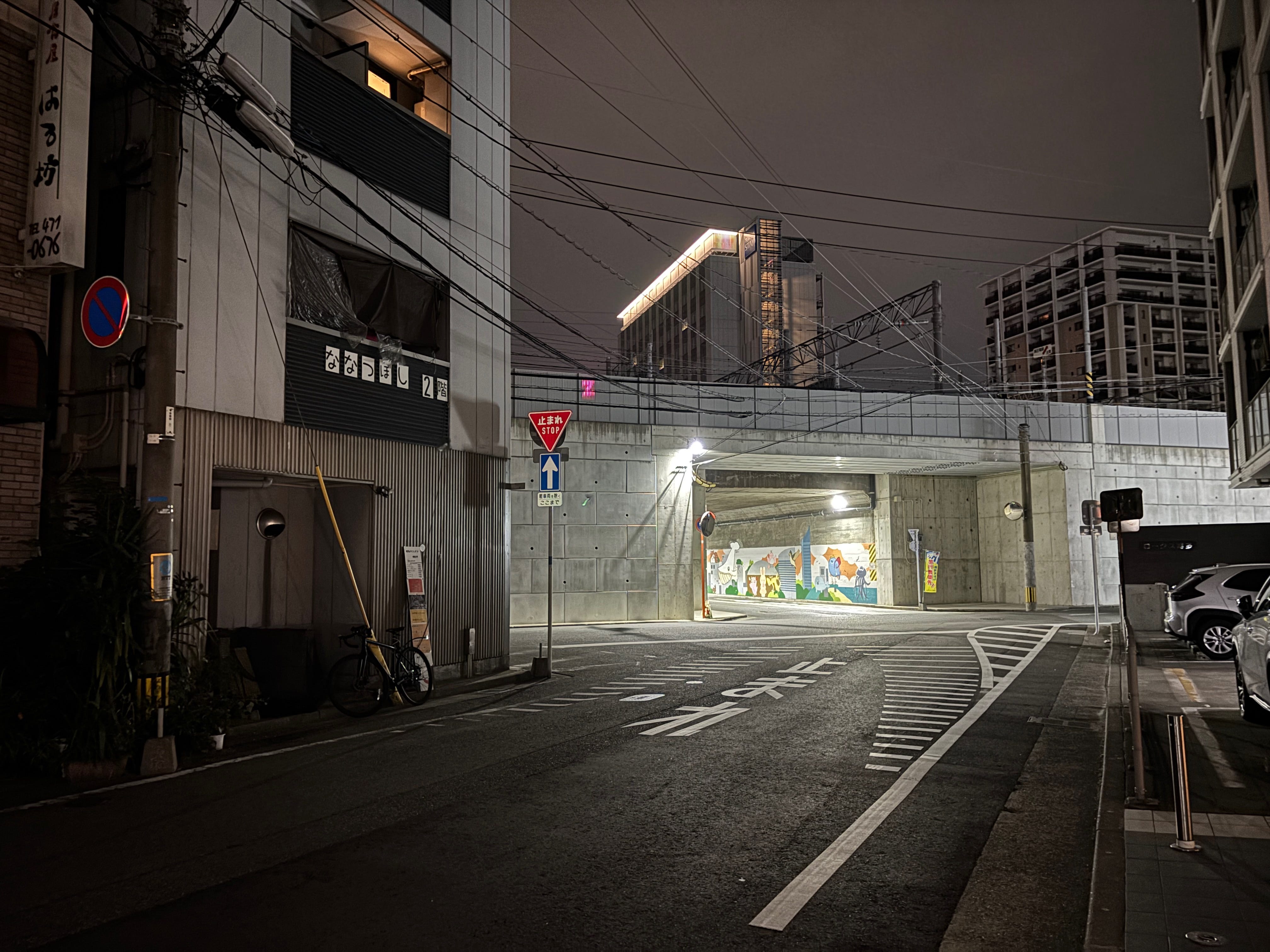
That sense of loss without uncertainty is what makes these images acceptable to me. It sets a boundary on what I am willing to photograph. I am not photographing collapse or abandonment. I am not fixing a place at its most vulnerable. I am standing with it briefly, while nothing irreversible is happening.
There is no drama here. No announcements, no loud voices. Nothing is being claimed or revealed. These photographs lower their volume. They wait. They ask for the same restraint from the viewer that they required from me.
That restraint is an ethical stance; to stay with these spaces long enough to notice them is a way of giving attention without taking possession of them. The act of looking is not expressive or corrective. But it is deliberate and limited. Attention, held long enough, becomes a form of care.
The choice of camera reinforces this difference in tone. The iPhone photographs, made in a 4×3 ratio and printed at roughly 12×9 inches, feel contained and upright. The ratio and scale compress the space. It reinforces enclosure. These images do not spread outward. They hold their ground. They draw the viewer in quietly.
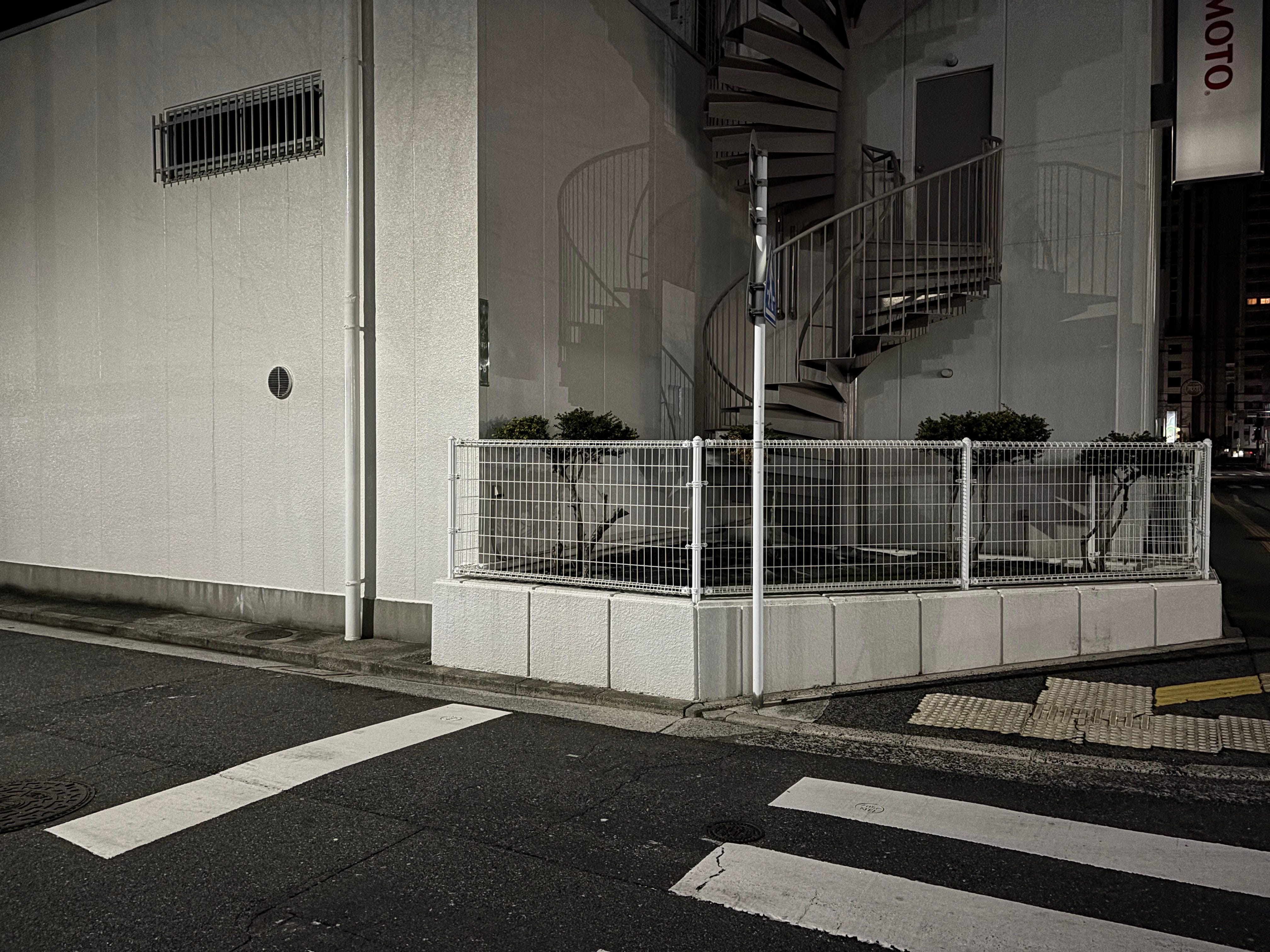
The larger photographs made with the Sony camera behave differently. Often printed at 60×40 inches, often darker, often built through long exposures or focus stacking, they assert themselves physically. They accumulate time and detail. Viewers move toward them because the image insists. Darkness opens laterally. The eye scans, then scans again.
The two bodies of work are not redundant. They answer different questions. The large camera asks what happens when attention is extended and layered. The iPhone asks what happens when attention is recognized and held, briefly but deliberately.
In the end, these photographs aren’t really about solitude. They’re more basic than that. They’re about what we see when no one is there. An empty room. A bike left by a door. A lit parking garage waiting for the morning.
These things are all around us, every day. On their own, they don’t mean much. But they are the ordinary conditions that quietly produce the feeling of loneliness in us. The photographs remain tied to those conditions rather than to the emotion itself. They don’t explain the feeling. They show the everyday world that gives rise to it.
Coda
The title comes from the film Five Easy Pieces. The phrase refers to piano exercises meant to be manageable; scales, simple études, short practice pieces, things that only work when they become second nature. The surprise, in the film, is how much discipline it actually requires.
These photos were collected over a 3-year period, during which I came to Japan to work on this project for 5-6 weeks each year.
Please help me with my Substack by sharing my essays, re-stacking them, making direct recommendations on your Substack home page and sharing in the conversation.
Jim, nice to read more details about your project. Is your Sony camera aligned with your iPhone photos? Is it exactly the same scene and the same focal length or do you allow (and work with) the variation between the two cameras?